

The quick answer: to sell a house in Virginia, pick how you'll sell (an agent, by yourself, or to a cash buyer), price it from recent nearby sales, and give the buyer Virginia's disclosure statement before you sign a contract. A settlement agent runs the closing, and you pay the state grantor tax of $1 for every $1,000 of the price.
I've been buying houses across Hampton Roads since 2020, and I walk every one of them myself. Most sellers I meet aren't sure what Virginia actually requires of them, so here's the whole process in order, including the parts nobody mentions until the week of closing.
The 8 Steps to Selling a House in Virginia
| Step | What you do | How long it usually takes |
|---|---|---|
| 1. Choose how to sell | Agent, sell it yourself, or a cash buyer | A few days of calls |
| 2. Price it | Compare recent sales near you | A day or two |
| 3. Prepare the house | Repairs, cleaning and photos, or sell as-is | None to several weeks |
| 4. Market it | Listing, showings and open houses | Hampton Roads median: 41 days in January 2026 |
| 5. Disclose | Virginia's disclosure statement, plus lead paint and HOA papers if they apply | Before you sign a contract |
| 6. Accept an offer | Sign the contract, take the earnest money deposit | A few days of back and forth |
| 7. Get through inspections and the loan | Inspection, appraisal and the buyer's lender | About 37 days for a financed buyer |
| 8. Settle | Sign the deed, pay off the mortgage, get paid | One appointment |
Sources: days on market from the Real Estate Information Network, reported by Virginia Business (41 days in January 2026, up from 27 a year earlier). Loan closing time from ICE's May 2026 Mortgage Monitor (36.8 days for purchase loans).
Step 1: How Do You Want to Sell?
You have three ways to sell a house in Virginia, and the choice decides almost everything after it. Listing with an agent usually gets the highest price for a house in good shape. Selling it yourself saves the listing commission. Selling to a cash buyer is the fastest and needs no repairs, but the price is lower.
Most people list. In the National Association of Realtors' latest survey, only 5% of recent sales were "for sale by owner", the lowest share on record. That's not because selling it yourself is illegal or even hard on paper. It's because pricing, marketing and negotiating are a lot of work to do once.
If you're weighing the options, these guides go deeper on each one:
- Selling a house privately in Virginia, and what it really saves
- How to sell a house fast: 3 ways compared
- Who buys houses as-is?
Step 2: How Much Is Your House Worth?
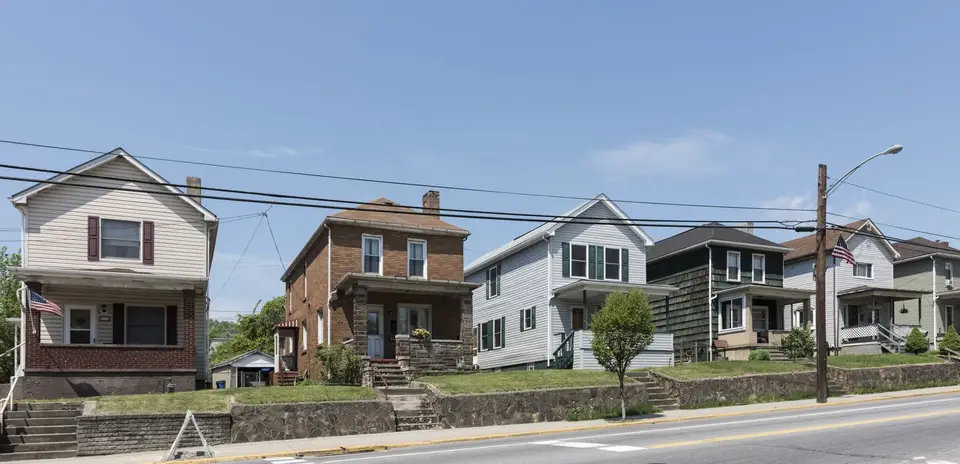
Your house is worth what similar houses near you have sold for in the last few months. Not the asking prices on the market today, and not your tax assessment. The closer the match in size, age, condition and street, the better the guide.
Online estimates are a starting point at best. They can't see your kitchen, your roof or the flood zone line that runs through your backyard. An agent's comparative market analysis, or an appraisal if you want an independent number, will be closer.
Pricing is where most sales go wrong. A house priced too high sits, and every week it sits tells buyers something is off. Our guide to the fair market value of a home in Virginia walks through the four ways to find yours. If you're in Virginia Beach or Norfolk, we've broken home values down by ZIP code.
Step 3: Should You Fix the House up First?
Fix the cheap, visible things and leave the big projects alone. Paint, light bulbs, dripping taps, a clean yard and a front door that doesn't stick all help a house photograph and show well. A new kitchen or roof right before you sell rarely pays back what it costs.
The exception is anything a buyer's inspector or lender will flag. Roof leaks, electrical problems and failing heating or cooling tend to come back as repair requests after the inspection, at a moment when you have less room to say no. Our list of things that fail a home inspection covers the usual ones, and getting a house ready to sell covers the rest.
If the repair list is long, or you just don't want to deal with it, you can sell the house as it sits. You'll get a lower price either way, so the honest question is whether the repairs would add more than they cost you in money and time.
Step 4: When Is the Best Time to List?
Spring is usually the strongest season to sell in Virginia, when more buyers are looking and houses go under contract faster. But the market matters more than the month. In Hampton Roads the median time on the market rose from 27 days in January 2025 to 41 days in January 2026, according to the source under the table above.
If your timing is flexible, our guide to the best month to sell a house in Virginia has the month-by-month detail. If it isn't, because of military orders, a new job or a closing on another house, build your plan around the date you have to be out, not the date the market prefers.
Step 5: What Do You Have to Disclose in Virginia?
Virginia is a "buyer beware" state. You don't have to list every problem with the house, but you do have to give the buyer the state's residential property disclosure statement, and you can't lie or hide a defect you know about.
| Paperwork | When it applies | The rule |
|---|---|---|
| Residential property disclosure statement (§ 55.1-703) | Every sale | Give it to the buyer before the contract is ratified |
| Lead paint disclosure and the EPA pamphlet (EPA rule) | Houses built before 1978 | Share what you know and allow a 10-day lead inspection |
| HOA or condo resale certificate (§ 55.1-2312) | Homes in an association | The association has 14 days to deliver it, and the buyer can cancel within 3 days of getting it |
The disclosure statement comes from the Real Estate Board. It says the owner makes no promises about the condition of the house and tells the buyer to do their own checks, such as a home inspection. If you hand it over late, § 55.1-709 lets the buyer cancel within 3 days of getting it by hand or email, or 5 days if it was mailed, and get their deposit back. Order any HOA certificate early, because the 14 days can hold up your closing.
"Buyer beware" doesn't mean "seller can stay quiet." If a buyer asks you a direct question about the house, answer it honestly. And if the house sits near the Oceana jets or in a flood zone, read our guides on selling near NAS Oceana and selling in a flood zone before you list.
Step 6: What Happens When You Accept an Offer?
You and the buyer sign a purchase contract, and the buyer puts down an earnest money deposit that's held until closing. The contract sets the price, the closing date and the conditions the buyer can still back out on, called contingencies.
The three contingencies to read closely are the home inspection, the appraisal and the buyer's financing. Each one is a way the deal can be renegotiated or end before closing. A slightly lower offer with fewer contingencies often closes more surely than the highest number on the table.
| What happens | What it usually means for you |
|---|---|
| The inspection finds a problem | A repair request or a credit off the price |
| The appraisal comes in low | The buyer asks for a lower price, or brings more cash |
| The buyer's loan is delayed or denied | A later closing date, or the sale falls through |
Step 7: Inspections, the Appraisal and the Buyer's Loan
After the contract is signed, the buyer's inspector walks the house and the lender orders an appraisal. If the inspection turns something up, expect a repair request or a request for a credit. If the appraisal comes in under the price, the buyer's loan may not cover it, and the price often gets renegotiated.
This is the stretch where most Virginia sales slip. A financed purchase takes a little over five weeks to close on average. Keep the house in the same condition it was in when the buyer saw it, answer the title company's questions quickly, and don't move out until you know the closing date is firm.
Step 8: How Does Settlement Work in Virginia?
In Virginia the closing is called settlement, and it's run by a settlement agent, a person or company that isn't the buyer or the seller. Under Virginia's Real Estate Settlement Agents Act, that can be an attorney or a licensed title or settlement company. They handle the deed, the payoffs and the money.
| An example $300,000 sale | Amount |
|---|---|
| Sale price | $300,000 |
| Mortgage payoff (example) | minus $180,000 |
| Virginia grantor tax ($1 per $1,000) | minus $300 |
| Agent commissions at 5.4%, if listed | minus $16,200 |
| Paid to you, before settlement fees and any credits | $103,500 |
At settlement, your mortgage and any liens are paid off from the sale price, and the rest is wired to you or paid by check. You can usually sign at the settlement agent's office, or remotely if you've already moved. Our guide to the closing process on a house in Virginia goes step by step.
If you still owe on the house, that's normal. Read how to sell a house with a mortgage and, if there's a lien, how to sell a house with a lien.
What Does It Cost to Sell a House in Virginia?
The biggest cost is usually the agent commission, if you list. After that come the state grantor tax, the settlement fees, and anything you agree to pay toward the buyer's costs or repairs.
| Cost | Typical amount | Who usually pays |
|---|---|---|
| Agent commissions | About 5.4% of the price, in total, on average | Seller, though it's negotiable |
| Virginia grantor tax | $1 per $1,000 of the price ($300 on a $300,000 sale) | Seller |
| Settlement fee and deed preparation | A few hundred dollars | Usually split by role |
| Mortgage payoff and any liens | Whatever you owe | Seller, from the proceeds |
| Repairs or credits after inspection | Depends on the house | Negotiated |
| HOA resale certificate | A set fee charged by the association | Seller |
Sources: grantor tax from Virginia Code § 58.1-802 (50 cents for each $500, paid by the seller unless agreed otherwise). Commission average from a 2026 Clever survey reported by HousingWire (about 5.44%).
For a line-by-line breakdown, including who pays closing costs and how to bring them down, read how much it costs to sell a house in Virginia.
Do You Pay Tax When You Sell a House in Virginia?
Usually not on your main home. If you owned it and lived in it for at least 2 of the last 5 years, you can exclude up to $250,000 of profit from federal income tax, or $500,000 if you're married filing jointly, according to the IRS.
Rentals, second homes and inherited houses follow different rules. Our guide on avoiding capital gains tax on a home sale covers them, and a tax professional can tell you what applies to your situation.
Selling in a Harder Situation
The same 8 steps apply, but some situations add a step or two:
- An inherited house: selling a house in probate in Virginia, and selling with your siblings
- A divorce: selling a house during a divorce in Virginia
- Behind on payments: how to stop foreclosure in Virginia
- Tenants in the house: selling a house with tenants
- Moving away, or military orders: selling a house and moving out of state
What I See on Walkthroughs in Hampton Roads
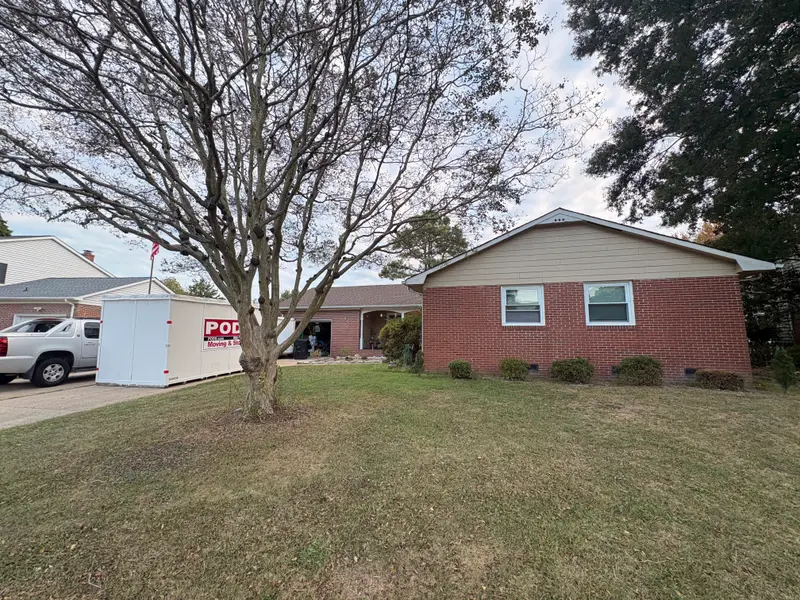
The houses themselves rarely stop a sale. People and paperwork do. These are three sales we closed, and what slowed each one down:
- Redmill, Virginia Beach. Five sisters inherited a house that was already in foreclosure. The roof and water damage weren't the hard part. Getting all five to agree and sign was.
- Great Neck, Virginia Beach. The seller had signed a contract with a wholesaler, a middleman who planned to sell the contract on and couldn't close. She had to get out of that contract before anyone could buy the house.
- Portsmouth. The same story with a different wholesaler. The house needed a full refresh and a second bathroom, and none of that held things up. The old contract did.
So before you sign with anyone, ask one question: are you buying the house yourself, or assigning this contract to someone else? And if your house is in good shape and could be listed as it sits, an agent will almost certainly get you more money than we will. I'll tell you that on the walkthrough.
Common Questions About Selling a House in Virginia
Do I need a lawyer to sell a house in Virginia?
No law requires you to hire your own lawyer. A settlement agent, either an attorney or a licensed title or settlement company, runs the closing. Many sellers still pay a lawyer to review the contract, especially in an estate, divorce or by-owner sale.
Is Virginia a buyer beware state?
Yes. Sellers give the buyer the state's disclosure statement, which says the owner makes no promises about the condition and tells the buyer to inspect. You still can't lie about a defect or hide one you know about.
Who pays the grantor tax in Virginia?
The seller, unless the contract says otherwise. It's 50 cents for every $500 of the price, which works out to $1 per $1,000.
How long does it take to sell a house in Virginia?
With an agent, plan on the time to find a buyer plus about five weeks for the buyer's loan, so two to three months is common. A cash sale usually closes in 10 to 14 days.
Can I sell my house myself in Virginia?
Yes. You'll still need the disclosure statement, a written contract and a settlement agent to close. About 5% of sales nationally are by owner.
Get a Cash Offer on Your Virginia House
If you'd like a number to compare against listing, tell us about the house and we'll come walk it. You get a written cash offer within 24 hours, and the price we offer is the price at closing. We buy houses in Virginia Beach, Norfolk, Chesapeake, Portsmouth, Hampton, Newport News and Suffolk, and you can start on our page for selling your house fast in Hampton Roads.